
Table of Contents
Hospitals demand highly reliable and efficient vertical transportation to ensure patient safety, staff efficiency, and smooth facility operations. Choosing the right hospital elevator supplier is a critical decision that impacts both daily operations and long-term maintenance costs. Elevators in healthcare environments must meet strict accessibility, safety, and hygiene standards while accommodating complex traffic patterns, emergency transport, and specialized medical equipment. Understanding the key requirements and evaluating suppliers carefully helps hospital administrators and project managers make informed decisions that support patient care and operational excellence.

Key Requirements for Hospital Elevators
Hospital elevators play a critical role in healthcare operations, impacting patient safety, staff efficiency, and overall facility performance. Unlike standard elevators, hospital lifts must support a wide range of users, transport stretchers and equipment, and comply with strict accessibility and hygiene standards. They must also perform reliably under high-traffic conditions and during emergencies. Selecting elevators that meet these requirements ensures smooth vertical mobility, reduces patient transfer times, and enhances staff productivity. Careful evaluation of elevator specifications and features is essential for hospitals aiming to maintain high-quality care and operational efficiency.
Patient Transport & Accessibility
Hospital elevators need to accommodate stretchers, wheelchairs, and medical personnel simultaneously without compromising comfort or safety. Wide cabin dimensions, low-threshold doors, handrails, and accessible control panels ensure smooth and safe transport. Features such as tactile buttons, voice guidance, and intuitive operation allow staff to focus on patient care rather than elevator operation. Proper accessibility design reduces transfer delays, prevents accidents, and supports compliance with local and international healthcare accessibility standards. A well-designed hospital elevator ensures that every patient, regardless of mobility level, can be moved efficiently and safely across floors.
Speed and Efficiency
In hospitals, elevator speed directly affects patient outcomes and operational efficiency. Fast, responsive elevators equipped with priority modes for emergency transport minimize wait times and reduce congestion during peak hours. Multi-stop programming and intelligent dispatch systems optimize traffic flow, ensuring that critical movements of patients and staff are handled swiftly. Efficient vertical transport also improves workflow for nurses, doctors, and support staff, enabling faster response times in emergencies. Selecting elevators with proven high-speed performance, smooth acceleration, and precise leveling is crucial for maintaining hospital schedules and ensuring timely care delivery.
Hygiene & Infection Control
Maintaining strict hygiene standards is essential in healthcare elevators to prevent the spread of infections. Elevator cabins should feature antimicrobial surfaces, smooth finishes, and easy-to-clean panels. Optional air purification or UV disinfection systems can further reduce airborne pathogens. The design must allow for regular cleaning without disrupting operations, while materials should withstand frequent sanitization. Attention to hygiene in elevator design not only supports patient safety but also protects staff and visitors. Hospitals require elevators that integrate seamlessly with broader infection control protocols while remaining durable and reliable under frequent usage.
Safety and Reliability
Safety and reliability are non-negotiable in hospital elevators, where every minute can matter. Features such as emergency brakes, backup power supply, door interlocks, alarm communication, and fault detection systems are critical. Elevators must operate consistently under high traffic, handle heavy loads, and ensure patient comfort during transport. Regular monitoring and predictive maintenance can prevent downtime and costly interruptions in hospital services. Selecting reliable, well-tested elevator systems reduces operational risks, supports compliance with healthcare safety regulations, and ensures that critical transport needs are met at all times without compromising performance or safety.

Factors to Consider When Choosing a Supplier
Selecting the right hospital elevator supplier is crucial for project success, long-term reliability, and patient safety. Beyond the elevator hardware itself, the supplier’s experience, product quality, installation capabilities, and after-sales support determine whether the system will perform as needed in demanding healthcare environments. Careful evaluation of these factors ensures that hospitals invest in elevators that are safe, durable, and aligned with operational requirements.
Experience with Healthcare Projects
A supplier’s experience with hospitals and medical facilities demonstrates their understanding of healthcare-specific requirements, including patient transport, emergency protocols, and infection control. Experienced suppliers are better equipped to manage complex layouts, high-traffic demands, and multi-floor coordination. Their track record provides confidence in their ability to meet deadlines, comply with local regulations, and integrate advanced features that enhance operational efficiency. Prior healthcare project experience also indicates familiarity with medical standards and accessibility codes, which reduces the risk of errors during design, installation, and commissioning.
Product Quality & Certification
High-quality elevators are essential to ensure safety, reliability, and long-term performance in hospitals. Suppliers should provide equipment that meets international standards, such as ISO and EN 81-72, and use durable, tested components. Certifications validate the elevator’s compliance with safety, accessibility, and performance requirements. Quality products reduce maintenance needs, minimize downtime, and provide predictable operational costs. Hospitals should prioritize suppliers that demonstrate a commitment to rigorous manufacturing processes, robust materials, and thorough testing to guarantee consistent and reliable elevator performance in demanding medical environments.
Installation & Commissioning Support
Comprehensive installation and commissioning support is critical for smooth project execution. Suppliers should offer pre-installation site evaluation, detailed drawings, and shaft coordination to ensure proper fit and compliance with building codes. On-site support during assembly, machinery installation, and system commissioning helps avoid delays, errors, and operational disruptions. Efficient project management ensures that elevators are fully operational on schedule, meeting safety, performance, and accessibility standards. Suppliers that provide structured installation and commissioning services help hospitals reduce risk and streamline the implementation of complex elevator systems.
After-Sales Service & Maintenance
Reliable after-sales service ensures that hospital elevators remain safe and operational over their lifespan. Suppliers should offer scheduled maintenance, emergency response, and predictive monitoring systems to detect potential issues before they become critical. Quick availability of spare parts and technical support minimizes downtime and ensures continuous operation. Hospitals benefit from suppliers who provide transparent service agreements, clear communication channels, and ongoing support, maintaining elevator reliability while reducing long-term operational costs. Effective maintenance programs protect patient safety and support efficient hospital operations.
FUJIXD’s Approach to Hospital Elevator Solutions
FUJIXD delivers hospital elevator solutions designed to meet the complex demands of healthcare facilities. Their elevators prioritize patient transport, medical equipment handling, and high-traffic operation while ensuring safety, reliability, and hygiene. Combining extensive manufacturing experience with localized design capabilities, FUJIXD elevators integrate intelligent control, energy efficiency, and durable materials to provide smooth, comfortable, and compliant vertical transportation in hospitals worldwide.
Human-Centered Design for Patient & Equipment Transport
FUJIXD hospital elevators feature spacious cabins capable of accommodating stretchers, wheelchairs, and medical equipment simultaneously. Cabins include smooth stainless steel interiors, soft lighting, and easy-to-clean surfaces to support frequent sanitization. Precision acceleration and deceleration reduce patient discomfort during transport, while wide doors and multiple opening modes enhance accessibility for staff and visitors. This human-centered approach ensures efficient, safe, and comfortable movement throughout healthcare facilities.
Integrated Safety & Intelligent Monitoring Systems
Safety is a core focus in FUJIXD hospital elevators. Advanced systems include door protection, emergency communication buttons, fault detection, and real-time monitoring. Intelligent alerts allow maintenance teams to address issues before they affect operations. Backup power ensures continuous service during outages, and emergency features provide safe evacuation and reliable patient transport in critical situations. These systems maintain operational reliability while reducing risks for patients and staff.

Material & Hygiene Considerations for Healthcare Environments
Hospitals demand strict infection control, and FUJIXD elevators use corrosion-resistant, easy-to-clean materials, including stainless steel surfaces and antimicrobial coatings. Minimal-texture cabin finishes prevent bacterial accumulation, while designs support frequent disinfection routines. These features ensure elevators meet hospital hygiene standards, contribute to infection control protocols, and reduce maintenance complexity, supporting safe and healthy hospital operations.
Proven Product Variants & Performance Capabilities
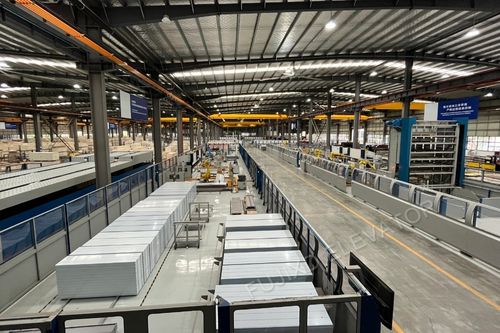
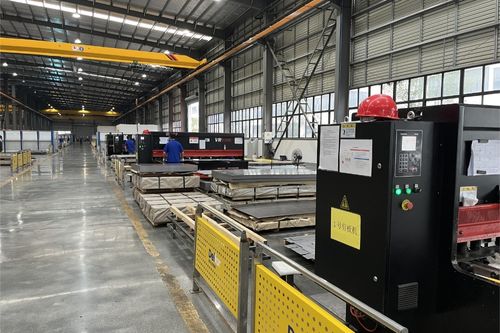
FUJIXD offers multiple weight and speed options to accommodate different building heights and usage patterns. Both machine-room and machine-room-less configurations are available, providing flexibility for diverse hospital architectures. Standardized designs and rigorous quality control ensure reliable performance under continuous high-frequency operation. Their elevators deliver low downtime, efficient patient transport, and consistent reliability, even in demanding medical environments.
Cost Considerations & Long-Term Value
When selecting hospital elevators, initial purchase price is only one aspect of total project cost. Long-term operational efficiency, energy consumption, maintenance, and reliability significantly affect overall value. Hospitals should evaluate the total cost of ownership rather than just upfront investment. Considering durable components, efficient systems, and responsive service ensures that elevators remain safe, functional, and cost-effective over decades. Long-term planning helps administrators minimize downtime, optimize budgets, and maintain high standards of patient care and staff efficiency.

Total Cost of Ownership
Beyond the initial procurement price, total cost of ownership includes installation, commissioning, maintenance, and potential downtime costs. Hospital elevators must operate continuously under heavy traffic, so component longevity and reliability directly influence ongoing expenses. Energy-efficient motors and control systems can reduce operational costs, while predictive maintenance prevents costly failures. Evaluating suppliers on both initial and lifecycle costs ensures hospitals make sustainable investments that deliver reliable service and predictable budget planning over the elevator’s full lifespan.
Energy Efficiency & Sustainability
Energy efficiency is an increasingly important factor in hospital operations. FUJIXD elevators incorporate advanced drive systems, intelligent controls, and regenerative braking options to reduce electricity consumption. Sustainable materials and design practices further enhance operational efficiency and align with green building initiatives. Energy-efficient elevators reduce environmental impact, lower utility costs, and support hospital sustainability goals, while maintaining performance and comfort. Choosing suppliers that prioritize efficiency helps hospitals balance cost savings with high-quality, safe vertical transportation.
Minimizing Downtime
Hospital elevators must remain operational at all times to ensure patient safety and smooth workflow. Downtime can disrupt critical care, emergency response, and daily operations. Selecting reliable elevators with robust safety systems, high-quality components, and scheduled maintenance programs minimizes unexpected failures. Backup power and remote monitoring capabilities allow staff to respond quickly to issues, reducing service interruptions. By prioritizing reliability and preventive maintenance, hospitals can maintain continuous elevator service, protect patients, and optimize staff efficiency while reducing operational risks.
Request a Hospital Elevator Solution
Ensure your healthcare facility is equipped with elevators that meet strict safety, accessibility, and operational standards. Contact FUJIXD today to discuss your hospital’s requirements, request technical drawings, or arrange a consultation with our project specialists. Our team can provide tailored solutions, guide you through installation and commissioning, and offer ongoing support to maintain reliable, efficient vertical transport for patients and staff. Take the next step toward safe and compliant hospital elevator operations.



Conclusion
Choosing the right hospital elevator supplier is a critical decision that impacts patient safety, staff efficiency, and overall hospital operations. By evaluating factors such as product quality, experience with healthcare projects, safety features, accessibility, and long-term maintenance, hospitals can ensure reliable and efficient vertical transport. FUJIXD’s solutions demonstrate how careful design, advanced monitoring, and durable materials support continuous operation and compliance with healthcare standards. Thoughtful supplier selection not only minimizes operational risks but also enhances patient care, improves staff workflow, and ensures long-term value for healthcare facilities.
Frequently Asked Questions
How often should hospital elevators be maintained?
Hospital elevators should undergo routine inspections monthly, with comprehensive maintenance performed annually. Critical systems, including brakes, door sensors, and control units, require regular checks to ensure patient safety and operational reliability. Predictive maintenance using intelligent monitoring systems can help identify potential issues before they affect service.
What is the typical service life of hospital elevator components?
Under proper maintenance, key components such as traction machines, control cabinets, and doors typically last 10–15 years, while the full elevator system can exceed 20 years. Regular upkeep and timely replacement of wear items extend service life and ensure continuous, reliable operation in demanding healthcare environments.
Can hospital elevators accommodate stretchers and medical equipment?
Yes, elevators designed for hospitals feature wide cabins and reinforced floors to accommodate stretchers, wheelchairs, and medical devices. Customizable layouts and door configurations ensure smooth, safe transport for patients and staff, meeting accessibility and operational standards for high-traffic medical facilities.
Are FUJIXD elevators suitable for high-traffic or multi-floor hospitals?
Absolutely. FUJIXD offers elevators with high-speed traction systems, intelligent dispatching, and multi-stop programming to handle busy hospitals efficiently. Flexible cabin sizes, machine-room and machine-room-less options, and robust components ensure reliable performance even under continuous, high-frequency usage.
Do FUJIXD elevators comply with international healthcare standards?
Yes, FUJIXD elevators are designed to meet or exceed global standards, including ISO and EN 81-72 requirements. Safety, accessibility, hygiene, and reliability are integrated into every model to support healthcare facilities worldwide, ensuring elevators comply with both local and international regulations.