
How much does an elevator cost in Sri Lanka?
The price depends on the type of elevator, rated capacity, number of stops, travel height, and the work included in the quotation. A passenger elevator for an apartment building, a freight elevator for a warehouse, and a home lift for a private residence will have different equipment and installation requirements.
For Sri Lankan projects, buyers also need to distinguish between the factory equipment price, delivered equipment cost, and total installed project budget. Shipping, import-related charges, building work, installation, testing, and maintenance can all affect the final cost.
FUJIXD is a China-based elevator manufacturer and exporter supplying equipment for residential, commercial, and industrial projects. This guide explains the main price differences, compares elevator types, and shows how to request an accurate equipment quotation.
Pricing note: The comparisons below are for project planning. No fixed Sri Lankan market prices are claimed without a verifiable quotation or published reference. Final costs must be confirmed against current specifications, delivery terms, and local project requirements.
How Much Does an Elevator Cost in Sri Lanka?
There is no universal elevator price because projects differ considerably in size, equipment specifications, and installation conditions.
For example, a four-stop passenger elevator with a standard cabin may have a different cost structure from an eight-stop system requiring greater travel height, higher speed, or specialised control features.
Similarly, a freight elevator designed for heavy trolley loads cannot be priced as though it were an ordinary passenger elevator with the same rated capacity.
Before comparing prices, establish three things:
- Elevator specification: Type, capacity, speed, stops, travel height, and cabin requirements.
- Supply scope: Factory equipment, delivered equipment, or an installed project package.
- Local responsibilities: Import procedures, shaft construction, installation, testing, and maintenance.
An equipment-only quote should never be compared directly with a turnkey project price.
Elevator Price Comparison by Type
The table below explains the main cost differences between common elevator categories used in Sri Lankan buildings.
| Elevator Type | Typical Application | Main Price Drivers | Key Buying Consideration |
|---|---|---|---|
| Passenger Elevator | Apartments, offices, hotels | Capacity, speed, stops, controls | Passenger traffic and travel height |
| Home Elevator | Houses, villas | Stops, footprint, drive, cabin design | Available space and building alterations |
| Freight Elevator | Warehouses, factories | Rated load, doors, cabin size, duty | Goods size and loading method |
| Hospital Elevator | Hospitals, medical facilities | Bed clearance, capacity, door size | Patient and equipment movement |
| Observation Elevator | Hotels, shopping centres | Glass design, finishes, structure | Architectural integration |
| Car Elevator | Parking facilities, dealerships | Vehicle weight, platform size, travel | Vehicle dimensions and entry arrangement |
| Escalator | Retail and public buildings | Vertical rise, step width, duty | Passenger movement and site conditions |
How to use this comparison: First select the equipment type that matches your building. Then request quotations based on the same technical specifications and supply scope.
A lower initial equipment price does not necessarily mean a lower completed project cost.
Elevator Prices by Type in Sri Lanka
Different elevator categories require different equipment configurations. The following sections explain what influences their cost and what buyers should confirm before ordering.
Passenger Elevator Price in Sri Lanka
Passenger elevators are commonly used in apartment buildings, offices, hotels, and commercial developments.
Their price is mainly affected by rated capacity, number of stops, travel height, speed, drive system, and cabin configuration.
A low-rise residential building with moderate passenger traffic may require a simpler configuration than a busy commercial building where multiple elevators need to operate together.
Important specifications include:
- Rated capacity and expected passenger traffic;
- Number of stops and total travel height;
- Rated speed and drive arrangement;
- Single-elevator or group-control operation;
- Cabin dimensions, door configuration, and finishes.
For multi-elevator buildings, traffic requirements should be reviewed before deciding the number of units.
FUJIXD supplies passenger elevator systems that can be configured according to building requirements.
Buying tip: Compare passenger elevators using the same capacity, speed, number of stops, and specified equipment scope.
Home Elevator Price in Sri Lanka
Home elevators are designed for private houses, villas, and low-rise residential buildings.
Cost differences usually relate to the number of stops, shaft arrangement, usable cabin dimensions, door system, drive configuration, and cabin finishes.
Whether the house is newly built or already occupied can also affect the project budget.
For example, an existing home without a planned shaft may need structural alterations, floor openings, or a supporting enclosure.
Common purchasing considerations include:
- Two- to four-storey residential configurations;
- Compact or machine-room-less arrangements;
- Accessible cabin and door dimensions;
- New-build versus retrofit installation;
- Standard versus customised cabin finishes.
For detailed residential costs and installation planning, see our Home Elevator Price in Sri Lanka Guide.
That guide focuses specifically on home lift equipment, house layouts, and residential project costs. This article provides the broader comparison across elevator types.
Freight Elevator Price in Sri Lanka
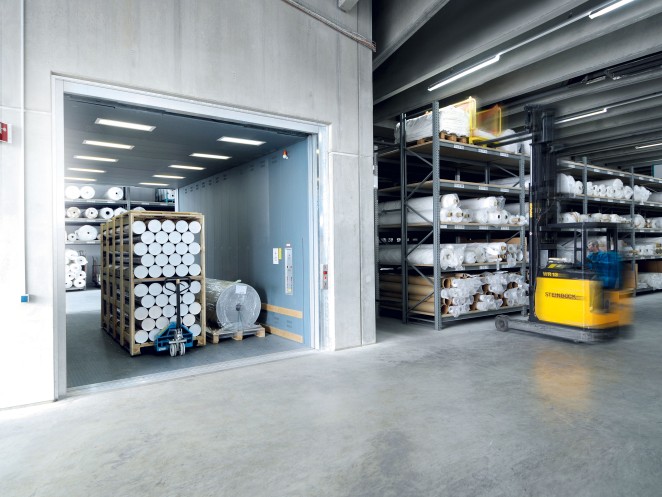
Freight elevators are used to transport goods, materials, and equipment in factories, warehouses, logistics facilities, and commercial buildings.
Their cost depends on more than rated load alone.
A supplier should consider the dimensions of the goods, how they are loaded, the expected operating duty, door clearances, and whether loads are concentrated on particular areas of the cabin floor.
| Specification | Impact on Equipment Selection |
|---|---|
| Rated Load | Drive, structural, and load-handling requirements |
| Cabin Dimensions | Space for goods and handling equipment |
| Door Opening | Accessibility for pallets, trolleys, or large items |
| Loading Conditions | Floor design and load distribution |
| Operating Duty | Expected use and component selection |
Freight elevator specifications should reflect actual loading conditions rather than simply using a passenger elevator design with a higher capacity.
Explore FUJIXD’s freight elevator solutions for industrial and commercial applications.
Hospital Elevator Price in Sri Lanka
Hospital elevators may transport patients, beds, stretchers, medical equipment, staff, and visitors.
Equipment selection should therefore account for the intended operating environment, not just the number of floors.
Important factors include:
- Usable cabin dimensions for beds or stretchers;
- Clear door openings and manoeuvring space;
- Rated load for patients, staff, and equipment;
- Floor levelling and ride characteristics;
- Traffic demand and availability requirements.
A hospital bed elevator may require a different configuration from a standard passenger elevator, even when the rated load is similar.
For hospital projects, the buyer should provide the dimensions of the equipment that must fit inside the lift and the facility’s traffic requirements.
FUJIXD offers bed elevator equipment for suitable medical-building applications.
Observation Elevator Price in Sri Lanka
Observation elevators, also known as panoramic elevators, combine vertical transportation with architectural design.
They may be used in hotels, shopping centres, office buildings, and other developments where the lift is intended to be visually prominent.
Their cost is influenced by:
- Glass cabin and enclosure design;
- Straight or curved glazing;
- Shaft structure and architectural integration;
- Decorative finishes and lighting;
- Travel height and equipment configuration.
A glass elevator still requires suitable structural support, safety systems, and service access. Architectural features should therefore be evaluated alongside the technical equipment specification.
For projects involving custom glazing or prominent visual elements, architectural drawings are particularly important.
View FUJIXD’s panoramic elevator options.

Car Elevator Price in Sri Lanka
Car elevators move vehicles between building levels and can be considered for parking facilities, garages, car dealerships, and properties where conventional ramps are impractical.
The most important cost factors are vehicle dimensions, maximum weight, platform size, required travel, and entry configuration.
A car elevator may need to support different vehicle types, so specifying only the nominal rated load is insufficient.
Before requesting a quotation, confirm:
- Maximum vehicle length, width, and height;
- Maximum operating weight;
- Required platform dimensions;
- Entrance and exit arrangement;
- Number of levels and travel height;
- Building access and structural conditions.
For planning guidance, refer to the Car Elevator Dimensions Guide.
Escalator Price in Sri Lanka
Escalators provide continuous passenger movement in shopping centres, transport facilities, and other public or commercial buildings.
Their cost is influenced mainly by the vertical rise, step width, inclination, operating duty, and installation environment.
| Factor | Why It Matters |
|---|---|
| Vertical Rise | Determines major equipment dimensions |
| Step Width | Influences passenger-carrying capability |
| Inclination | Affects geometry and application suitability |
| Indoor or Outdoor Use | Determines environmental protection requirements |
| Operating Duty | Influences the equipment specification |
| Balustrade Design | Affects appearance and finish options |
An outdoor escalator may require additional measures appropriate to rain exposure and environmental conditions.
Escalators are electrically driven systems. Their configuration must be selected according to passenger demand, site conditions, and applicable safety requirements.
FUJIXD supplies escalator equipment for suitable commercial and public-building applications.

Elevator Equipment Price vs Total Project Cost
The most important distinction in elevator procurement is the difference between an equipment quotation and the full cost of putting the lift into service.
An overseas manufacturer may quote equipment under an agreed delivery term, while a local supplier or contractor may quote a broader package that includes installation and testing.
Both can be valid purchasing options, but they must be compared consistently.
What Is Included in an Elevator Quotation?
| Cost Category | Typical Scope | What to Verify |
|---|---|---|
| Factory Equipment | Drive, controller, cabin, doors, guide rails, agreed components | Equipment list and exclusions |
| International Delivery | Export packing, freight, insurance where agreed | Incoterms and destination |
| Local Project Work | Shaft, structural preparation, power supply, site access | Contractor quotation |
| Installation & Commissioning | Equipment installation, testing, handover | Responsible qualified contractor |
| Long-Term Ownership | Inspections, maintenance, repairs, spare parts | Service agreement and warranty |
Why LKR Prices Can Differ Between Suppliers
Some elevator equipment is purchased internationally in USD or another agreed currency, while Sri Lankan project budgets may be prepared in LKR.
The final LKR amount depends on the quotation currency, applicable exchange rate, shipping, import-related charges, and services included.
This is why older price lists may not reflect the current project cost.
Do not treat a historical LKR amount as a current market price without checking its date, configuration, and quotation scope.
If a supplier provides a price estimate, request confirmation of:
- Quotation currency and validity;
- Equipment configuration and included components;
- Delivery terms and named destination;
- Freight and insurance responsibilities;
- Import-related charges and local taxes;
- Installation and commissioning scope;
- Warranty, spare parts, and maintenance arrangements.
An itemised quotation makes it easier to identify differences between supplier offers.
What Factors Affect Elevator Prices in Sri Lanka?
While each elevator type has its own requirements, six factors explain many of the differences between quotations.
1. Capacity and Application
Passenger, freight, hospital, and car elevators are designed for different loads and operating conditions.
Capacity must be selected according to the equipment’s actual use, including how people, goods, beds, or vehicles enter and leave the cabin.
2. Number of Stops and Travel Height
Additional stops can require more landing entrances, guide rails, wiring, and control equipment.
Total travel height should be provided separately from the number of floors because buildings with the same floor count may have different floor-to-floor dimensions.
3. Speed and Drive Configuration
Elevator speed and drive arrangements influence the machine, controls, equipment layout, and performance characteristics.
For passenger elevators, the selection should reflect building height and expected traffic rather than specifying the highest speed available.
4. Shaft and Building Conditions
Shaft width, depth, pit, overhead clearance, and support structure affect which equipment can be installed.
An existing building may require additional construction work compared with a new project where the elevator space is reserved during design.
5. Cabin, Doors, and Customisation
Larger cabins, special door configurations, glass finishes, decorative materials, and customised controls may change the equipment specification and cost.
Confirm that competing quotations include equivalent finishes and features.
6. Shipping, Installation, and Maintenance
Equipment purchase is only part of the budget.
Local transport, unloading, installation, testing, maintenance, and spare-parts arrangements should be considered before the purchase decision.
Which Elevator Is Right for Your Building?
A suitable elevator should match the building’s purpose, expected traffic, and loading conditions.
| Building Type | Common Equipment | Main Selection Priority |
|---|---|---|
| Apartment Building | Passenger elevator | Capacity, stops, passenger traffic |
| Office or Hotel | Passenger elevator or group | Speed, traffic, control configuration |
| Private House | Home elevator | Space, accessibility, finishes |
| Hospital or Clinic | Hospital or bed elevator | Bed clearance, load, availability |
| Factory or Warehouse | Freight elevator | Rated load, goods dimensions, duty |
| Shopping Centre | Passenger elevator or escalator | People movement and layout |
| Parking Facility | Car elevator | Vehicle weight, platform, access |
For mixed-use projects, more than one elevator type may be required.
For example, a commercial building may need passenger elevators for occupants and a separate freight elevator for deliveries.
Equipment selection should be confirmed before shaft construction or final building-layout decisions.
Importing Elevator Equipment from China to Sri Lanka
Buying equipment from an overseas manufacturer may be suitable for importers, developers, and engineering contractors who can coordinate local project responsibilities.
However, importing an elevator is not simply a matter of arranging freight.
The equipment specifications, building drawings, delivery terms, installation arrangements, and maintenance responsibilities should be agreed on before production.
Step 1 — Provide the Building Requirements
Send the elevator type, number of stops, travel height, capacity, shaft dimensions, and intended application.
For freight and car elevators, include the dimensions and characteristics of the loads being transported.
Step 2 — Review the Equipment Proposal
The manufacturer should provide a proposed configuration and relevant technical specifications.
Confirm cabin dimensions, door arrangements, drive system, controls, installation clearances, and any custom features.
Step 3 — Confirm Shipping and Import Responsibilities
Agree on the applicable Incoterms rule, named destination, packing, transportation, insurance, and relevant import responsibilities.
Current customs requirements and applicable charges should be confirmed with the appropriate Sri Lankan authorities or qualified import professionals.
Step 4 — Coordinate Installation and Commissioning
The proposed elevator layout should be reviewed by the qualified local project team before equipment production.
Building work, installation, testing, commissioning, and any applicable approvals must be clearly assigned.
Step 5 — Establish Maintenance and Warranty Arrangements
Before ordering, confirm the equipment warranty, spare-parts procedures, maintenance requirements, and the responsibilities of the local service provider.
FUJIXD is a China-based elevator manufacturer and export supplier. Local site installation, regulatory procedures, and ongoing maintenance in Sri Lanka must be arranged under the appropriate local project contracts.
How to Request an Accurate Elevator Quotation
An accurate quotation requires more than the elevator type and number of floors.
Prepare the key project information below.
| Required Information | Example or Explanation |
|---|---|
| Building Type | Apartment, office, hotel, factory, hospital |
| Elevator Type | Passenger, home, freight, hospital, car, escalator |
| Stops & Travel Height | Number of landings and vertical travel |
| Rated Capacity | Passenger or load requirement |
| Shaft Dimensions | Width, depth, pit, overhead |
| Equipment Requirements | Speed, doors, finishes, special features |
| Drawings | Architectural plans or shaft drawings |
| Project Location | Destination in Sri Lanka |
| Supply Scope | Equipment only or other agreed responsibilities |
If drawings are incomplete, send the available information and identify the dimensions that still need confirmation.
Why Request an Equipment Quote from FUJIXD?
FUJIXD supplies elevator and escalator equipment from China for different building applications.
Depending on the project, buyers can discuss suitable configurations, technical documentation, cabin design, shaft requirements, and export supply terms.
A written equipment specification also makes it easier to compare FUJIXD’s proposal with quotations from other manufacturers.
Frequently Asked Questions
How much does an elevator cost in Sri Lanka in 2026?
The price depends on the elevator type, capacity, stops, travel height, configuration, and included services. An equipment-only quotation differs from a complete installed project budget. Request an itemised proposal based on the building’s specifications.
What affects passenger elevator prices in Sri Lanka?
The main factors are capacity, speed, number of stops, travel height, drive system, cabin dimensions, doors, controls, and installation conditions. For multi-elevator buildings, passenger traffic also affects equipment selection.
Is importing an elevator from China cheaper?
Not necessarily. Importing directly may offer different equipment sourcing options, but freight, customs-related charges, local installation, commissioning, and future servicing must be considered. Compare the complete project scope rather than equipment price alone.
What is the difference between a passenger elevator and a home elevator?
Passenger elevators are commonly designed for apartment, commercial, and public-building traffic. Home elevators are intended for private residential applications and may use different space, capacity, and operating configurations.
How much does a freight elevator cost?
Freight elevator pricing depends on rated load, cabin dimensions, door configuration, loading method, operating duty, travel height, and building conditions. The supplier needs details of the goods and handling equipment before preparing a quotation.
What should I confirm before ordering an elevator?
Confirm equipment specifications, available shaft space, delivery scope, installation arrangements, applicable technical requirements, testing, warranty, spare parts, and maintenance responsibilities.
Can FUJIXD install and maintain elevators in Sri Lanka?
FUJIXD supplies elevator equipment and technical product information from China. Local installation, commissioning, regulatory procedures, and maintenance must be arranged with appropriately qualified service providers in Sri Lanka.
Get an Elevator Equipment Quotation for Sri Lanka
The right elevator is the one that meets your building’s technical and operating requirements, with a quotation that clearly defines what is included.
Whether you are planning an apartment building, hotel, hospital, warehouse, private house, or parking facility, FUJIXD can review your project information and discuss suitable elevator equipment configurations.
Send your building type, elevator requirements, number of stops, rated capacity, available shaft dimensions, and drawings.
Our team can help you prepare an equipment specification and manufacturer-direct export quotation for your project.